
Key Takeaways
- Remove food sources, secure trash, and keep outdoor areas clean to make your property less attractive to nuisance birds.
- Seal gaps around doors, vents, rooflines, and other openings to prevent birds from entering buildings and establishing nesting sites.
- Reduce potential nesting and roosting areas by keeping property exteriors maintained and removing unnecessary materials that provide shelter.
- Address bird activity as soon as it is noticed. Early intervention can help prevent birds from establishing nests and returning to the same areas.
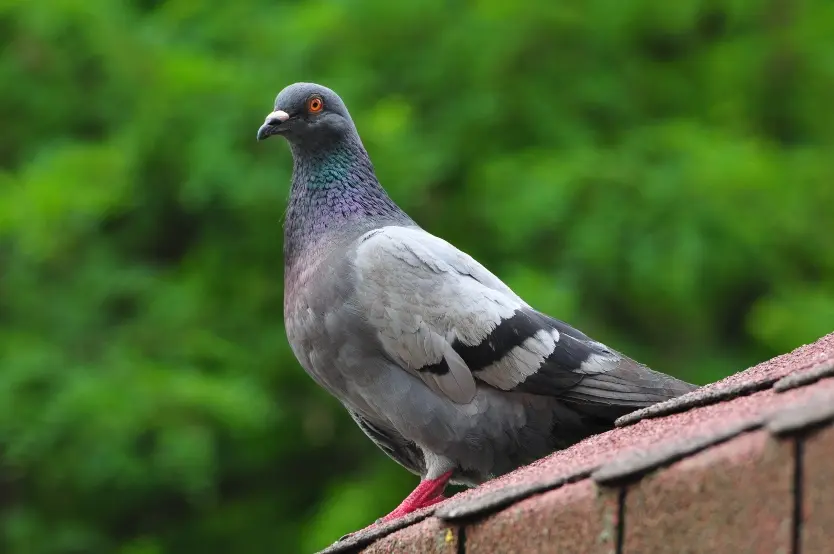
- Pigeons, European starlings, and house sparrows are among the nuisance birds that may create problems around residential and commercial properties.
How to Prevent Nuisance Birds Around Your Property
For property managers, keeping nuisance birds away from a property is about more than preventing an occasional bird from landing on a roof or balcony. Birds can create sanitation problems, damage building materials, generate tenant complaints, and make a property look poorly maintained.
Birds are attracted to properties that provide food, water, shelter, and protected places to nest or roost. Apartment communities, commercial buildings, shopping centers, office properties, and other managed facilities can provide all of these resources.
Fortunately, property managers can take several practical steps to make their properties less attractive to nuisance birds. The following recommendations provided by Pestgon Professional Pest Management can help reduce bird activity and prevent birds from establishing themselves around your property. Contact our team for expert help.
Practical Bird Prevention Tips for Property Managers
Keeping birds away from your property starts with making the area less attractive to them. Property managers can take several practical steps to reduce access to food, shelter, and potential nesting sites while addressing building conditions that may allow birds inside.
The following tips can help discourage bird activity and reduce the chances of birds becoming established on your property:
-
Keep Food and Trash Under Control
Birds are highly skilled at finding food, and even small amounts of food waste can attract them to a property. Food scraps around common areas, parking lots, patios, outdoor dining spaces, and trash enclosures can quickly become an easy food source.
Clean up spills promptly and make sure garbage is placed in secure receptacles. Property managers should also work with maintenance and janitorial staff to keep areas around dumpsters and trash enclosures clean. Once birds discover a dependable food source, they may continue returning to the property.
-
Use Secure Waste Containers
Open or overflowing garbage containers can become an easy food source for pigeons, gulls, crows, and other birds.
Use waste receptacles with secure lids whenever possible, and make sure damaged containers are repaired or replaced. Trash areas should also be emptied and cleaned regularly. For multifamily properties, keeping residents informed about proper trash disposal can help reduce food sources that attract birds.
-
Remove Potential Nesting and Harborage Areas
Birds look for protected locations where they can build nests and raise their young. Clutter, unused equipment, construction materials, boxes, pallets, and other items stored around a property can provide convenient nesting opportunities.
Whenever possible, keep outdoor areas free of unnecessary materials and debris. Property managers should also inspect sheltered areas beneath overhangs, inside covered structures, and around building features where birds can find protection from weather and predators.
-
Seal Gaps and Other Potential Entry Points
Birds can squeeze through surprisingly small openings to gain access to a building. Inspect the exterior regularly for gaps around doors, vents, rooflines, soffits, utility penetrations, and other openings. Repair damaged screens and replace missing or damaged vent covers as needed.
Pay close attention to where different building components meet. Even a small gap near a roofline or wall can provide birds with access to a protected nesting area. Sealing these openings and maintaining proper exclusion measures can help keep birds outside and prevent them from establishing nests inside the building.
-
Make Sure Doors Close Properly
Doors that remain open for too long can give birds an easy entry point into a building. This can be a particular concern at commercial properties, garages, maintenance areas, common-area buildings, and other locations where doors are frequently used throughout the day.
Property managers should regularly check automatic doors to make sure they close promptly after people pass through. Door sweeps, seals, and other components should also be inspected and maintained so doors close completely without leaving gaps birds can use to get inside.
-
Maintain Roofs, Vents, and Building Openings
Elevated areas around a property can be attractive to birds looking for places to rest, roost, or nest. Check rooftops, rooflines, vents, HVAC equipment, eaves, soffits, and other building features regularly for droppings, nesting materials, or other signs of activity.
Make repairs promptly when screens, covers, or other exclusion materials are damaged. Routine inspections allow property managers to catch bird activity early and address potential nesting sites before they become an established problem.
-
Address Bird Activity Early
One of the most important steps a property manager can take is to report bird activity as soon as it is noticed. A few birds may not seem like a serious concern, but reliable access to food, water, shelter, or nesting areas can encourage them to stay and return to the property.
Once birds establish regular nesting or roosting locations, the problem can become more difficult to manage. Early professional intervention allows property managers to address the conditions attracting the birds and install appropriate deterrents or exclusion measures before the activity becomes more extensive.
The Risks of Bird Activity to Your Property
Birds may be small, but large or persistent bird populations can create significant problems for property managers.
Bird droppings can accumulate on roofs, sidewalks, balconies, vehicles, entrances, signs, and other surfaces. Nesting materials can collect around vents, equipment, rooflines, and other building components. Bird activity can result in:
- Sanitation Concerns: Bird droppings and nesting materials can create unsanitary conditions around buildings, entrances, and common areas.
- Property Damage: Accumulated droppings can stain surfaces and contribute to the deterioration of certain building materials over time.
- Slip Hazards: Bird droppings on sidewalks, stairs, walkways, and other pedestrian areas can create slippery conditions.
- Tenant and Customer Complaints: Ongoing bird activity can result in complaints, especially when birds nest near entrances, patios, balconies, or common areas.
- Clogged Drains and Gutters: Nesting materials and accumulated debris can obstruct drains and gutters, potentially interfering with proper water drainage.
- HVAC and Equipment Concerns: Birds may nest or roost around rooftop equipment, vents, HVAC units, and other mechanical areas.
- Unsightly Conditions: Accumulated droppings and nesting materials can detract from the appearance and overall condition of a property.
- Potential Fire Hazards: Dry nesting materials accumulated around electrical equipment or other heat-producing components can create additional concerns.
For property managers, addressing these issues early can help protect the property while reducing the likelihood of recurring tenant complaints.
Common Nuisance Birds Around Managed Properties
Several bird species can become nuisance pests around residential and commercial properties.
Three nuisance birds that can cause problems around managed properties are pigeons, European starlings, and house sparrows.
Pigeons
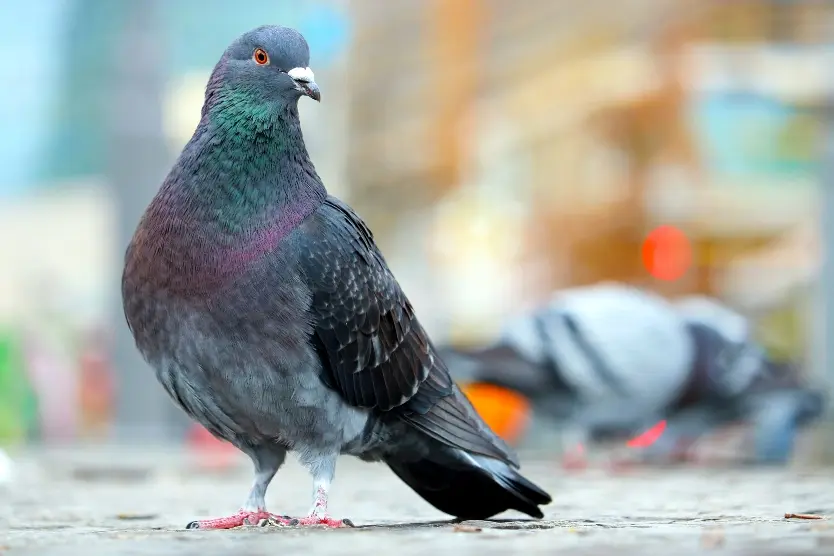
Pigeons are well adapted to living around people and often take advantage of building features for shelter. Ledges, rooflines, covered areas, and other elevated surfaces can provide the protection and space they need to rest and build nests.
Signs of Pigeons Around Your Property:
- Droppings: Large accumulations of white and gray droppings may appear beneath regular roosting locations, on ledges, sidewalks, rooftops, and other surfaces.
- Nests and Nesting Material: Pigeon nests are often relatively simple and may consist of sticks and other loose materials.
- Roosting Activity: Pigeons may gather repeatedly on rooflines, ledges, signs, HVAC equipment, balconies, and other elevated surfaces.
- Cooing and Activity: Repeated cooing, wing flapping, and the regular presence of pigeons in the same location may indicate an established roosting or nesting area.
European Starlings
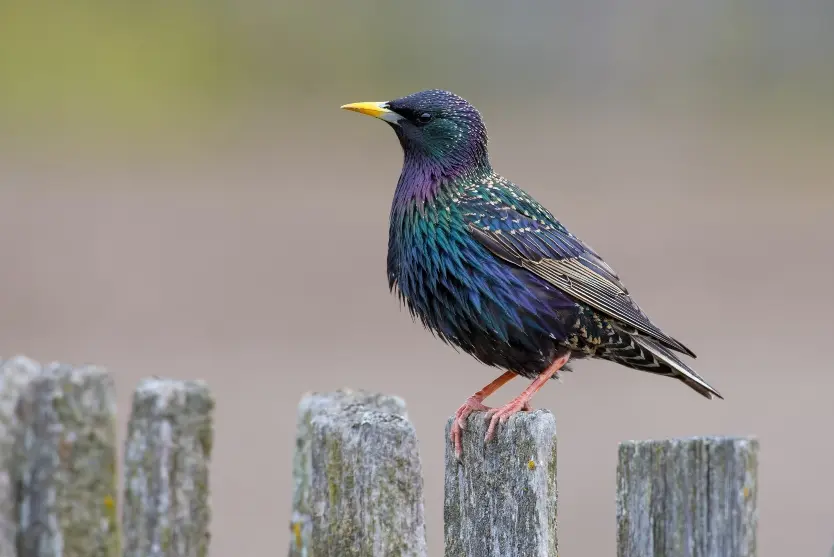
European starlings are resourceful birds that can use openings around buildings to access sheltered nesting areas. They may build nests near roofs, vents, and eaves and can gather in large groups when a property provides suitable food or shelter.
Signs of European Starlings Around Your Property:
- Frequent Entry and Exit: Birds repeatedly disappearing into openings around eaves, vents, rooflines, or other building features may indicate a nesting site.
- Large Groups of Birds: Starlings can gather in substantial flocks, particularly around properties with attractive food or shelter.
- Nesting Material: Starlings may construct nests from grass, feathers, pine needles, and other materials inside protected cavities.
- Noise: Repeated bird activity and vocalizations around the same opening may indicate an active nesting area.
- Hopping Behavior: Sparrows have a distinctive hopping movement when traveling along the ground rather than walking.
- Nests in Elevated Corners: Sparrows may build nests in protected areas such as rafters, eaves, signs, and other elevated corners. Warm areas near lights or equipment may be particularly attractive.
- Insulation Damage: Sparrows may peck at and gather fiberglass, foam, and other insulation materials to use in nest construction.
- Repeated Activity: Seeing sparrows repeatedly entering and leaving the same opening can indicate an active nest nearby.
- Bird Netting: Netting can create a physical barrier that prevents birds from accessing areas such as covered structures, rooftops, balconies, beams, and other protected spaces.
- Bird Spikes: Properly installed bird spikes can discourage birds from landing and roosting on ledges, signs, rooflines, and other surfaces.
- Electric Deterrent Systems: These systems can discourage birds from landing on specific surfaces while providing a discreet solution for certain properties.
- Perch Modification Systems: Wires, coils, and other systems can make surfaces less suitable for birds to land and roost.
- Habitat Modification: Removing food, water, nesting materials, and other attractants can make the property less appealing to birds.
- Exclusion: Sealing openings and repairing damaged screens, vents, doors, and other building components can prevent birds from gaining access to nesting areas.
House Sparrows
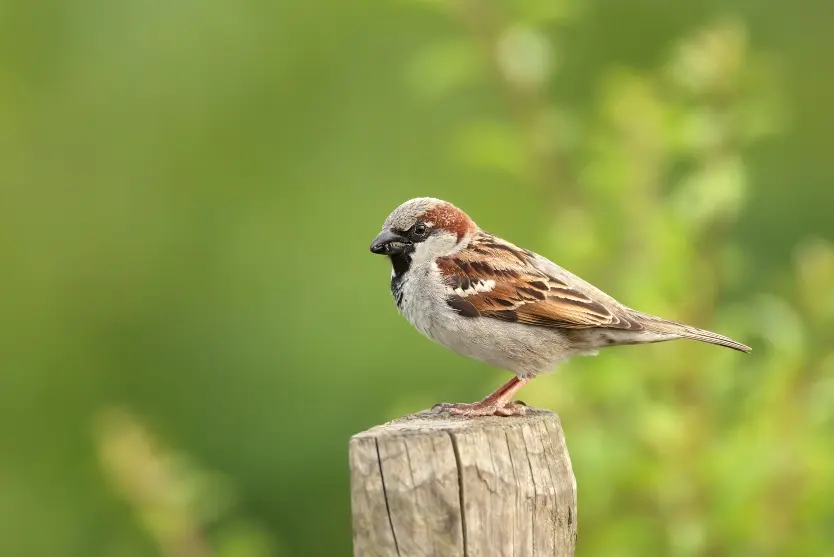
House sparrows are highly adaptable and can easily find nesting opportunities around buildings. Their small size allows them to enter narrow openings and reach protected areas such as rooflines, eaves, vents, rafters, and other sheltered spaces.
Signs of House Sparrows Around Your Property:
How Property Managers Can Prevent Bird Nesting
Keeping birds away from a property often requires more than simply removing an existing nest. If the conditions that attracted the birds remain, other birds may eventually use the same area.
An effective bird management program can combine exclusion, physical deterrents, and habitat modification to make the property less attractive.
Depending on the property and the bird species involved, potential solutions may include:
The right solution depends on the property, the species involved, where the birds are active, and how they are using the building.
Store-bought deterrents may provide temporary relief in some situations, but professional bird management provides a more comprehensive approach by addressing both the birds and the conditions that attract them.
What to Do When Birds Get Inside
If a bird accidentally flies inside a building, it may eventually find its way out. However, birds that repeatedly enter the same location may have discovered favorable conditions such as food, shelter, or a place to nest. Removing individual birds will not necessarily prevent additional birds from entering.
Property managers should investigate the source of the activity by locating potential entry points and looking for evidence of nesting or roosting. If birds continue to enter the building or become established, a professional pest management provider can assess the situation and recommend appropriate solutions.
Some bird species and their nests are protected under federal or state laws, so removal may require special consideration. A professional technician from Pestgon can help determine what actions are appropriate and help property managers avoid attempting to remove protected birds or nests themselves.
Professional Bird Control for Property Managers
Bird problems can be difficult to resolve without addressing the conditions that attract birds in the first place. Effective bird management involves finding nesting and roosting areas, identifying potential entry points and attractants, and implementing appropriate exclusion and deterrent measures.
Pestgon Professional Pest Management can help property managers evaluate bird activity and determine the best approach for their properties. Our licensed experts provide pest management services in Oceanside, CA, helping property managers address bird problems before they become an ongoing concern.
Contact Pestgon today to schedule a pest inspection and learn more about bird control solutions for your property.
Bird Prevention FAQs
What Are the Best Long-Term Solutions to Keep Birds Away From a Property?
The most effective long-term bird management programs typically combine exclusion, physical deterrents, and habitat modification. Removing food and nesting opportunities while preventing access to preferred roosting and nesting areas can make a property less attractive to nuisance birds.
A professional inspection can help identify the specific conditions contributing to bird activity.
How Can Property Managers Keep Birds Away Without Disrupting Tenants?
Many bird exclusion and deterrent solutions can be installed with relatively little disruption to residents, tenants, employees, or customers. A professional pest management provider can evaluate the property and recommend solutions that fit the building and its daily operations.
For multifamily properties, scheduling work appropriately and communicating with residents can also help minimize inconvenience.
Which Areas of a Property Are Most Vulnerable to Bird Activity?
Common problem areas include rooftops, rooflines, balconies, eaves, soffits, vents, HVAC equipment, parking structures, covered walkways, signs, trash enclosures, loading areas, and other sheltered locations.
Property managers should also inspect openings around doors and building exteriors that could allow birds inside.
How Often Should Bird Control Measures Be Inspected?
Bird deterrents and exclusion measures should be inspected regularly to make sure they remain properly installed and effective. The appropriate inspection frequency depends on the property, the bird species, and the type of control system in place.
Routine property inspections can also help identify new bird activity before it becomes an established problem.
What Should I Do If Birds Are Nesting on My Property?
Do not disturb or remove an active nest without first determining whether the species or nest is legally protected. Contact a professional pest management provider for an inspection.
A technician can identify the bird species, determine how the birds are accessing the property, and recommend an appropriate management or exclusion strategy.
Can Bird Droppings Damage a Property?
Yes. Accumulated bird droppings can stain surfaces and contribute to the deterioration of some materials. Large accumulations can also create sanitation and slip hazards, clog drainage areas, and negatively affect the appearance of the property.
Addressing bird activity before droppings accumulate heavily can help reduce these problems.