
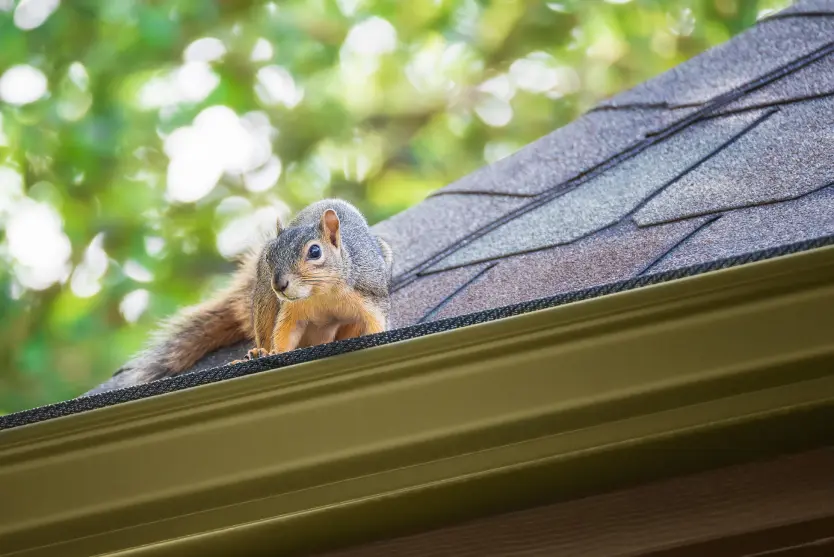
Do Squirrels Pose a Threat to Your Properties?
While these bushy-tailed animals may seem like harmless visitors, they do present genuine threats for property managers. Damaged insulation, compromised electrical systems, and contaminated spaces are just some of the issues squirrels bring when they invade your buildings.
Oceanside and the greater San Diego County CA areas offer ideal conditions for squirrel populations to flourish. Our coastal climate, mature landscaping, and blend of established buildings and newer developments create an environment where squirrels thrive. So they frequently seek shelter inside structures.
As a property manager, your reputation depends on maintaining safe, well-kept buildings for your tenants. Squirrel infestations put that reputation at risk.
Health and Safety Concerns Squirrel Infestations Bring
Diseases
Squirrels harbor pathogens that create genuine health risks for building occupants. Leptospirosis and salmonella rank among the primary concerns linked to squirrel activity in homes and businesses. These illnesses can result in significant health complications, from digestive system problems to organ damage.
Exposure typically occurs through accumulated waste materials. Squirrel droppings and urine build up quickly in ceiling spaces, wall voids, and attic areas where these animals nest. Once squirrels move into a building, they designate specific areas for waste elimination, and use them repeatedly.
This contamination spreads to building materials and can affect indoor air quality. Dried waste particles become airborne and may circulate through HVAC systems throughout occupied spaces. Building occupants with compromised immune systems, respiratory sensitivities, or allergies face heightened vulnerability.
This creates potential liability exposure for property managers responsible for maintaining healthy indoor environments.
Parasites
Beyond direct disease transmission, squirrels transport parasites into your buildings. Fleas and ticks live in squirrel fur and multiply in nesting materials these animals construct (in ceilings and wall cavities). Once parasite populations establish themselves, they actively seek additional hosts, including your tenants and any animals on the premises.
Flea-transmitted illnesses include tularemia and, though uncommon, even plague. Ticks introduce their own set of concerns, including Lyme disease transmission.
A single squirrel family establishing residence in your buildings can bring substantial numbers of parasites onto the property, dramatically increasing health risks for everyone inside.
Property Damage Caused by Squirrel Activity
Constant Gnawing Behavior
Squirrel teeth grow continuously throughout their lives, compelling them to gnaw constantly on hard surfaces. When squirrels occupy your buildings, structural components become their chewing targets. Wood, plastic, aluminum, and soft metals all sustain damage from squirrel teeth.
Common damage includes:
- Chewed fascia, window frames, door components, and roof materials
- Small access points enlarged into significant openings
- Damaged PVC piping and HVAC ductwork
- Compromised weatherproofing and seals
Insulation Destruction
Building insulation is a significant investment in energy efficiency, and squirrels view it as ideal nesting material. These animals burrow through insulation, shred it apart, compress it, and contaminate it with bodily waste. The outcome? Dramatically reduced thermal performance and climbing utility expenses.
In Oceanside's warm summers and cooler winter months, degraded insulation forces HVAC systems to work harder, driving up operating costs for your tenants and potentially affecting lease satisfaction. Contaminated insulation typically requires complete professional removal and replacement. It’s not a minor maintenance item, but a substantial remediation project requiring proper handling of biohazardous materials.
Property managers frequently report tenants noticing increased utility costs before anyone identifies the underlying squirrel problem. Remediation expenses accumulate rapidly, often reaching thousands of dollars for severely affected spaces.
Electrical System Hazards
Squirrels gnaw indiscriminately, so electrical wiring appears just as attractive as wood or insulation. They chew through wire insulation, exposing conductive materials beneath. Complete wire severing causes immediate electrical failures.
However, partial damage that leaves circuits operational actually presents greater danger. Exposed conductors can contact each other or metal building components, creating short circuits. Damaged insulation allows wires to overheat.
Both conditions create serious fire risks, a liability concern no property manager can afford to ignore. For any building experiencing or vulnerable to squirrel intrusion, routine inspection of accessible wiring (particularly in ceiling and attic spaces) becomes essential for risk management.
Why Wildlife Targets Your Properties
Squirrels seek two fundamental resources: food and secure shelter. Homes and businesses provide both. Landscaping with fruit-bearing or nut-producing trees offers convenient food sources. Protected ceiling spaces and wall cavities provide warm, dry environments ideal for nesting.
Unlike natural habitats, buildings also shield squirrels from predators. Properties featuring mature trees (particularly those with limbs extending over or near rooflines) create direct pathways for squirrels to access structures. Older buildings frequently have minor gaps, weathered materials, or aging vents that provide easy entry.
Squirrels produce offspring twice annually in our region: late winter and summer. During these periods, females actively seek protected spaces for raising young. Building interiors, with consistent temperatures and protection from weather, appear far more appealing than exposed outdoor locations.
How to Identify Squirrel Activity
Recognizing squirrel presence early limits damage and reduces remediation costs. Watch for these indicators during property inspections:
- Audible activity: Scratching, scurrying, or thumping sounds from ceiling spaces or walls, particularly during morning and evening hours
- Visible gnaw marks: Chewing evidence around rooflines, soffits, vents, and utility penetrations
- Compromised vent covers: Damaged, displaced, or missing vent screens
- Droppings: Small dark pellets, similar to but larger than mouse waste
- Odor issues: Musty or unpleasant smells near ceiling access points
- Staining: Discoloration on ceilings indicating urine accumulation
- Electrical irregularities: Flickering lights, non-functional outlets, or tripping breakers suggesting wiring damage
Ways You Can Protect Your Oceanside Properties
Preventing squirrel intrusion is the most effective management approach. While complete prevention isn't guaranteed, proactive measures substantially reduce risk:
- Coordinate with landscaping contractors to maintain tree limbs at least six to eight feet from building surfaces. This eliminates the most common access routes squirrels use to reach rooflines. Though this clearance may seem substantial, squirrels jump impressive distances and easily bridge shorter gaps.
- During property walks, pay close attention to rooflines and exterior surfaces. Identify gaps, holes, deteriorating materials, and compromised vents. Address openings promptly: squirrels access buildings through surprisingly small spaces. Heavy-gauge hardware cloth effectively covers vents and openings where airflow must continue.
- Minimize food sources that draw squirrels to your properties. Make sure landscaping debris is managed, dumpster areas stay clean, and trash containers remain properly sealed. The less attractive your property appears as a food source, the less interest squirrels will show in establishing residence.
Let Pestgon Inc. Handle Your Squirrel Problem
From tenant health concerns to structural damage risks, squirrel infestations demand professional attention. Our technicians understand that when we're on site, we represent you.
We understand that customer satisfaction is the key to retention. Squirrel problems left unaddressed create complaints, liability exposure, and potential lease non-renewals. Taking prompt action protects your properties and maintains positive tenant relationships.
Contact us today to get started with a service quote!